
Composition and Application of Hydraulic Rubber Pipes
Time:2024-04-15Page views:1208Many rubber hoses also use thickeners, and according to hydraulic joints, they are mostly made of multiple layers of thin films, which are usually bonded together using adhesives. It is reported that the adhesive used for high-pressure oil pipes is thermoplastic resin, which has excellent heat resistance and insulation properties.
The inner layer of the multifunctional rubber hose is made of smooth and semi transparent high molecular weight polyethylene; The reinforcement layer consists of a high-strength synthetic core and multiple layers of metal wire winding layers; The surface is made of special corrosion-resistant, ozone resistant, and wear-resistant materials. Rubber is divided into smooth surface layer (XLPE) and corrugated surface layer with good bending performance (UHMW).
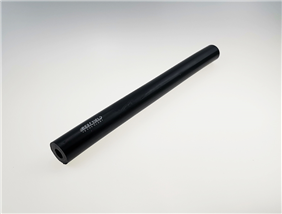
High pressure rubber pipes for excavator construction machinery and various mechanical assemblies, used for conveying tubular rubber products of gases, liquids, mud or granular materials. Polyurethane rubber, polyester rubber, etc. Rubber pipes are widely used in agricultural drainage and irrigation due to their flexibility, cushioning, lightweight, and easy installation and use. They are composed of inner and outer rubber layers and a skeleton layer, which can be made of cotton fibers, various synthetic fibers, carbon fibers or asbestos, steel wire, etc. Many rubber pipes are used in hydraulic systems, pneumatic systems, and fuel systems in the manufacturing of automobiles and many mechanical equipment, for the suction and discharge of mud in port dredging.
The inner and outer rubber layers of rubber hoses are usually made of natural rubber, styrene butadiene rubber, or butadiene rubber; The oil resistant rubber hose is made of chloroprene nitrile rubber; The material of acid, alkali, and high temperature resistant rubber hoses is ethylene propylene rubber, fluororubber, or silicone rubber. In recent years, thermoplastic rubber such as thermoplastic polyethylene has been used.
The relative molecular weight of common thickening agents for hydraulic rubber pipes is 200~1500, and their structures are generally large and rigid. Resin tackifiers are thermoplastic and typically amorphous glass at room temperature. The range of resin tackifiers ranges from liquids at room temperature to brittle solids with melting points up to 90 ° C, which are typically completely soluble in fatty hydrocarbons, aromatic hydrocarbons, and many typical organic solvents.